What Materials Can a Ball Mill Grind? A Comprehensive Guide to Applicable Materials
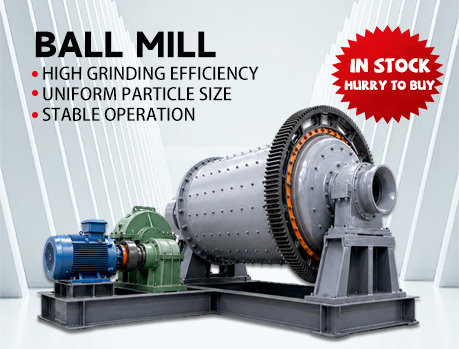
A ball mill is fundamentally a horizontal rotating cylinder filled with grinding media (steel balls, ceramic balls, or pebbles). As the cylinder rotates, the media cascade and impact the feed material, crushing it by attrition and compression. This simple yet robust mechanism makes the ball mill incredibly versatile. The key to success lies in matching the mill’s design parameters (lining type, media material, rotation speed) to the physical and chemical properties of your material. Below we categorize the most common ball mill applicable materials across major industries. 1. Metallic Ores and Minerals This is the largest application field for heavy-duty industrial ball mills, usually operating in wet circuits. Ferrous Metals: Iron ore, manganese ore, chromite, vanadium-titanium magnetite. These hard, high-density materials require high-chrome steel balls and durable rubber or manganese steel liners. Non-Ferrous Metals: Copper ore, lead-zinc ore, gold ore, silver ore, molybdenum, nickel, bauxite (aluminum ore). For gold and silver ores, ball mills often work in closed circuit with cyclones after a crushing stage to liberate precious metals prior to cyanidation or flotation. Precious Stones & Heavy Minerals: Zircon sand, rutile, monazite. These are typically ground in smaller batch mills with ceramic media to avoid iron contamination. Typical Grinding Mode: Wet grinding. Water...
Learn more