Hammer Crusher Practicality: The Smart Solution for Heavy-Duty Crushing Tasks
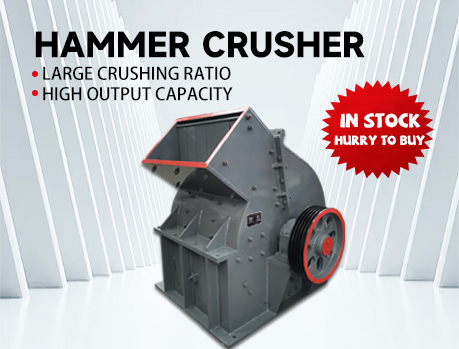
Understanding Hammer Crusher Practicality A hammer crusher, often called a hammer mill, operates on a direct-impact principle. A high-speed rotor spins inside a crushing chamber, swinging hammers that collide with the feed material until it shatters and passes through a bottom grate. This straightforward design is the root of its exceptional practicality. There is no complicated cone-and-mantle geometry or high-pressure roller systems—just a robust rotor assembly and replaceable wear parts. As a result, the hammer crusher reduces upfront capital expenditure and simplifies operator training, making it highly practical for both large mining companies and small aggregate producers running independent websites. Where Hammer Crushers Prove Most Practical The adaptability of hammer crushers across diverse materials is a major selling point. Their practicality shines in these key applications: Mining and Quarrying: Breaking limestone, coal, gypsum, and medium-hard ores down to uniform sizes for further grinding or direct shipment. Aggregate and Sand Production: Shaping crushed stone into fine particles for concrete and asphalt mixes. Reversible hammer crushers excel at producing manufactured sand. Construction and Demolition Recycling: Processing bricks, tiles, and concrete waste into reusable aggregates, turning a costly disposal problem into a revenue stream. Industrial Byproduct Processing: Crushing clinkers, chemical salts, and glass cullet, where the hammer...
Learn more