The Ultimate Guide to Jaw Crusher Applicable Materials
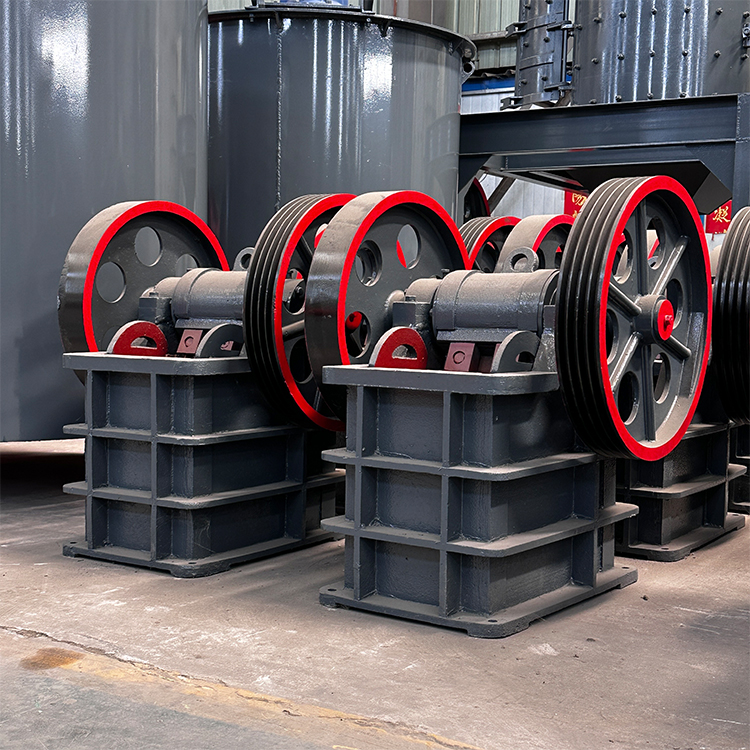
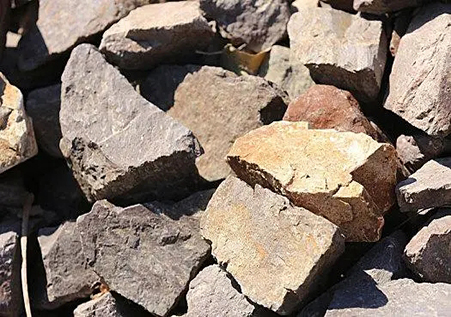
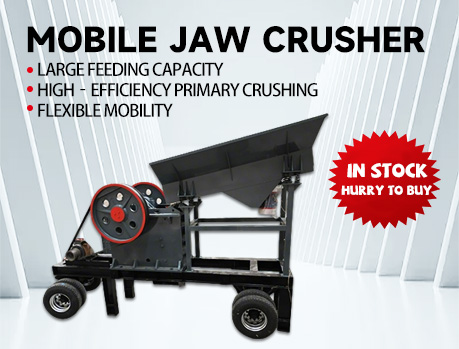
Abstract Jaw crushers are one of the most widely used primary crushing equipment in mining, construction, and recycling industries. But what materials can a jaw crusher actually handle? This article provides a comprehensive overview of the types of rocks, ores, and recycled materials suitable for jaw crushing, along with key selection considerations. Whether you are processing hard granite, abrasive basalt, or reinforced concrete, understanding the material characteristics is essential for optimizing crusher performance and wear life. Introduction A jaw crusher is designed to reduce large rocks into smaller pieces by compressing them between a fixed jaw and a moving jaw. Its simple yet robust design makes it ideal for primary crushing of a wide variety of materials. However, not all materials are equally suitable. The hardness, moisture content, abrasiveness, and feed size all influence the crushing efficiency and equipment longevity. In this guide, we will explore the most common materials that jaw crushers can process, and provide practical advice for selecting the right crusher configuration. 1. Hard Rocks (Granite, Basalt, Quartzite) Hard rocks are the most common materials processed by jaw crushers in the mining and aggregate industries. Granite: High compressive strength (100–250 MPa). Jaw crushers handle granite efficiently, producing well-shaped...
Learn more