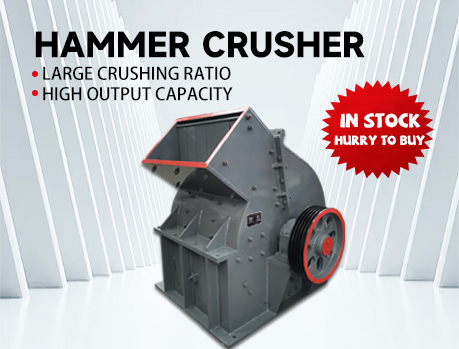
What Materials Can a Hammer Crusher Process? A Complete Guide
The Working Principle: Why Material Choice Matters To understand material suitability, you first need to appreciate how a hammer crusher works. The machine relies on high-speed rotary hammers that impact the feed material. The material is shattered by the initial impact, then accelerated into breaker plates, and further reduced through attrition and collision with other particles inside the crushing chamber. The final product size is controlled by a discharge grate or screen bar. This aggressive impact-crushing method means the machine excels with materials that fracture easily upon impact. It is fundamentally different from a jaw or cone crusher that uses compression. Therefore, the material’s brittleness, hardness, and moisture content are the decisive factors. 3 Key Material Characteristics for Hammer Crushing Before you feed a hammer mill, evaluate your raw material against these three parameters: Compressive Strength & Hardness Hammer crushers are designed for materials with a compressive strength not exceeding 100-150 MPa. Exceeding this limit causes rapid wear on the hammers, liners, and rotor. The machine performs brilliantly on soft to medium-hard materials. It is not suitable for high-silica, highly abrasive, or extremely hard rocks like granite, basalt, or river pebbles (Mohs hardness > 6). Brittleness This is the most critical physical property. The material must be...
Learn more